

In less than two months travelers from all over the globe will come to the New York area for the FIFA World Cup, and City Council Majority Leader Shaun Abreu wants to be sure they all have a place to go.
Abreu introduced a bill on Thursday that would require the city to make a plan to expand public bathroom access during the World Cup.
“This is about dignity, cleanliness and public health as much as convenience,” Abreu said in an interview with Gothamist on Sunday. “No one should have to scramble for a bathroom or cut their day short because they can’t find one in a global city like New York.”
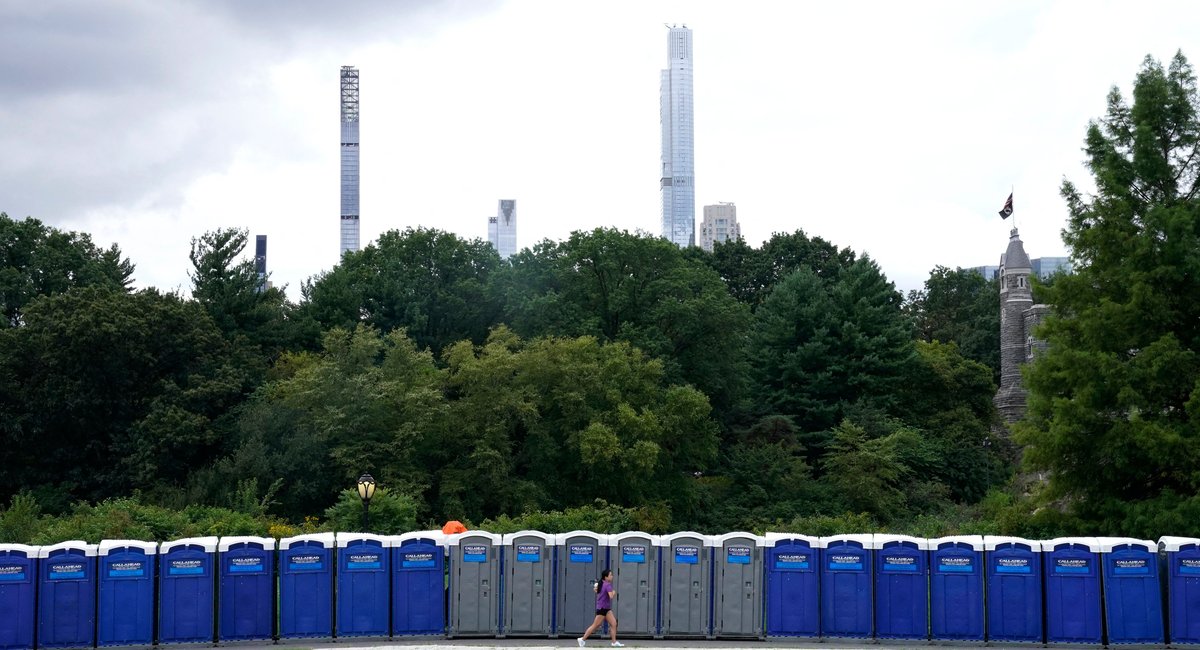
The bathroom plan would have to be ready by June 1, and would include installing temporary restrooms in areas expected to have high foot traffic during the World Cup, posting signs to direct the public toward restrooms and increasing the frequency of bathroom maintenance.
Finding a place to pee for free remains a challenge in New York, even without the world’s most watched sporting event coming to town. City officials say there are nearly 1,000 public bathrooms in New York, roughly one for every 8,500 residents. The city council has already set a goal to build 2,100 new public bathrooms by 2035.
Mayor Zohran Mamdani put a spotlight on the problem at the start of his term, allocating $4 million in January to deliver more public bathrooms across the city. Abreu hopes some of that money can be tapped for the World Cup plan.
The World Cup kicks off on June 11, and the first game hosted by New York and New Jersey is set for June 13. MetLife Stadium in the Meadowlands – temporarily rebranded as New York New Jersey Stadium – will host a total of eight games culminating with the World Cup Final on July 19. The New York New Jersey Host Committee projects about 1.2 million people will visit the region for the games.
“This is going to be critical,” Abreu said. “The city is going to be conducting a lot of events, a lot of viewings for members of the public, folks who are coming from across the world to celebrate, and we just want to make sure that the bathroom infrastructure exists so that when folks got to go, they can go.”
