

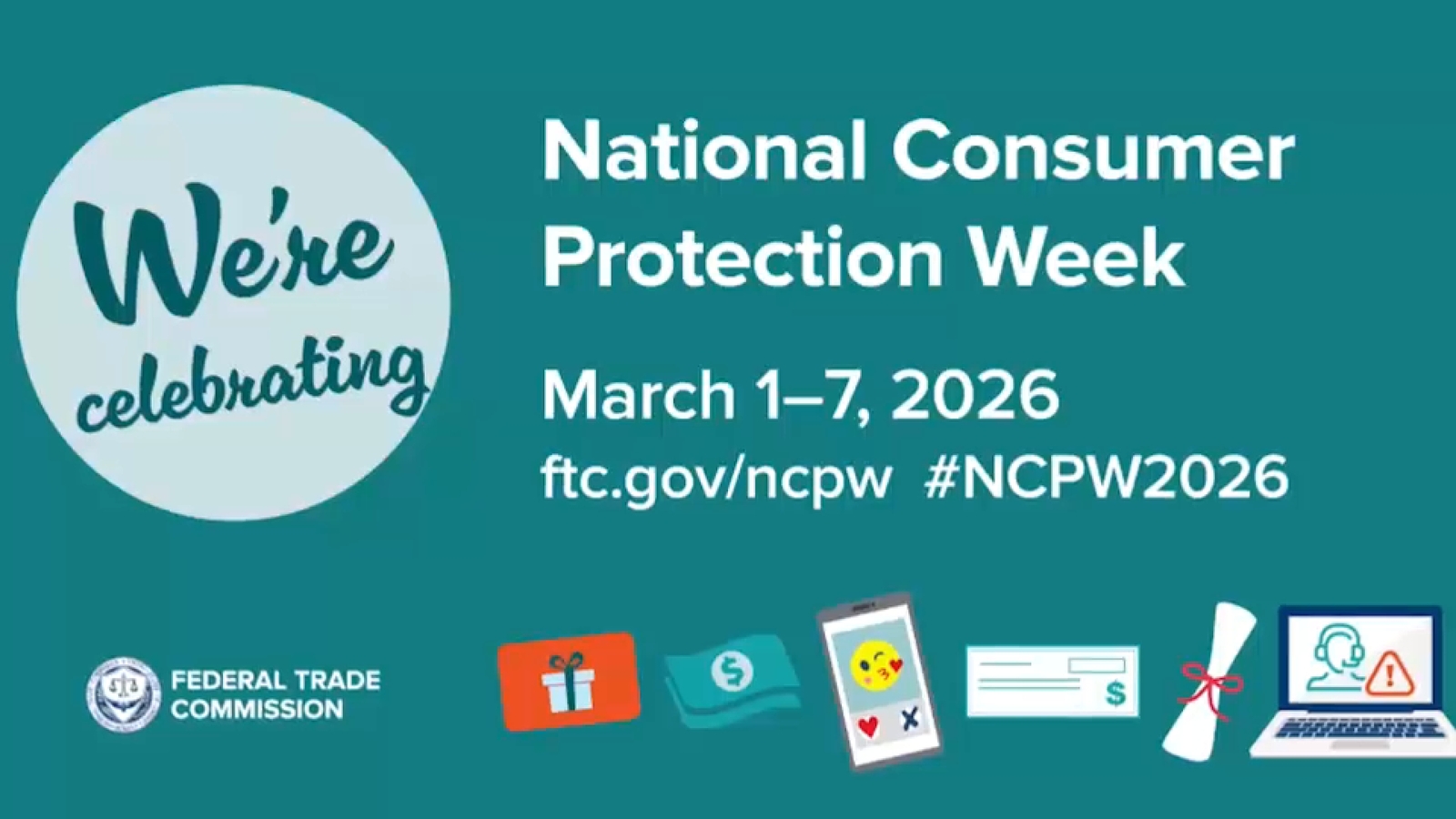
NEW YORK (WABC) — It’s National Consumer Protection week, so 7 On Your Side is providing useful information to keep tax filers from becoming a victim of fraud.
According to IRS CI, the criminal investigative arm of the Internal Revenue Service, in fiscal year 2025 the agency identified $4.5 billion in tax-related fraud.
Since tax time is happening now, that means there’s a lot of personal information being exchanged: W2s, paystubs and tax forms are being mailed, emailed, even texted back and forth. All of that information is a gold mine for hackers.
Prevention
When sending any tax-related forms, remember these tips: First, don’t use public Wi-Fi. Avoid emailing or texting forms. File your taxes early and electronically. And finally, always use an Identity Protection PIN.
When the IRS assigns you a personal PIN, you, and only you, can manage your taxes. But first, you have to create a profile on id.me. The six-digit number they provide you with can help stop a hacker from filing a tax return using your Social Security number.
Paper Checks
Most refund checks are not being rolled out on the printer or mailed anymore. Why? They may as well have been marked with an envelope stamped “STEAL ME!”
As a result, paper checks are being phased out. Government agencies have been directed by the president to direct deposit, with few exceptions. When you are filing, choose direct deposit as the method of payment and submit your returns electronically.
Fake IRS Agents
Also, beware of the IRS imposter. This scam has been around for a long time. It’s an oldie, but a goodie because taxes are confusing, and they strike fear into people — a recipe for disaster.
We asked FTC Consumer Education Specialist Terri Miller for the red flags.
“The IRS is not going to call you, that’s not going to be their first contact, they’re not going to pressure you to pay over the phone, they’re not going to ask you to pay with cryptocurrency or bitcoin, they’re not going to have you Zelle or CashApp money to them,” Miller said. “They’re definitely not going to pressure you to take action over the phone through a text message, on social media, right away.”
It’s More Than Just Your Tax Return
Hackers could still be looking for something more detrimental than just your refund check.
“What they’re looking for is personal information for identity theft, so they may say, ‘I can handle this issue for you, I need your Social Security number or your tax ID number,’ and what they really want to do is misuse that information to open accounts in your name, open credit cards and things like that,” Miller said.
She says IRS imposters often threaten you with arrest, or insist on immediate payment with wire transfers, Zelle, Venmo, or CashApp. Some might even ask for gift cards or cryptocurrency. If you hear any of those, it’s a scam.
Another scary tactic is when the person on the phone insists you don’t hang up. Experts say that’s their way of controlling you. Often they’ll pressure people to stay on the line and warn not to tell anyone what’s happening.
They might even ask someone to go to the store, usually one with a cryptocurrency ATM and might even say they know where you live. If anyone insists you stay on the line, hang up. It’s also a scam.
With tax season ahead, IRS imposters are eager to find victims to defraud. Nina Pineda has more.
———-
SHARE YOUR STORY
Do you have an issue with a company that you haven’t been able to resolve? If so, 7 On Your Side wants to help you!
Fill out the form below or email your questions, issues, or story ideas by filling out the form below or by emailing 7OnYourSideNina@abc.com. All emails MUST INCLUDE YOUR NAME AND CELLPHONE NUMBER. Without a phone number, 7 On Your Side will not be able to respond.
Copyright © 2026 WABC-TV. All Rights Reserved.
