
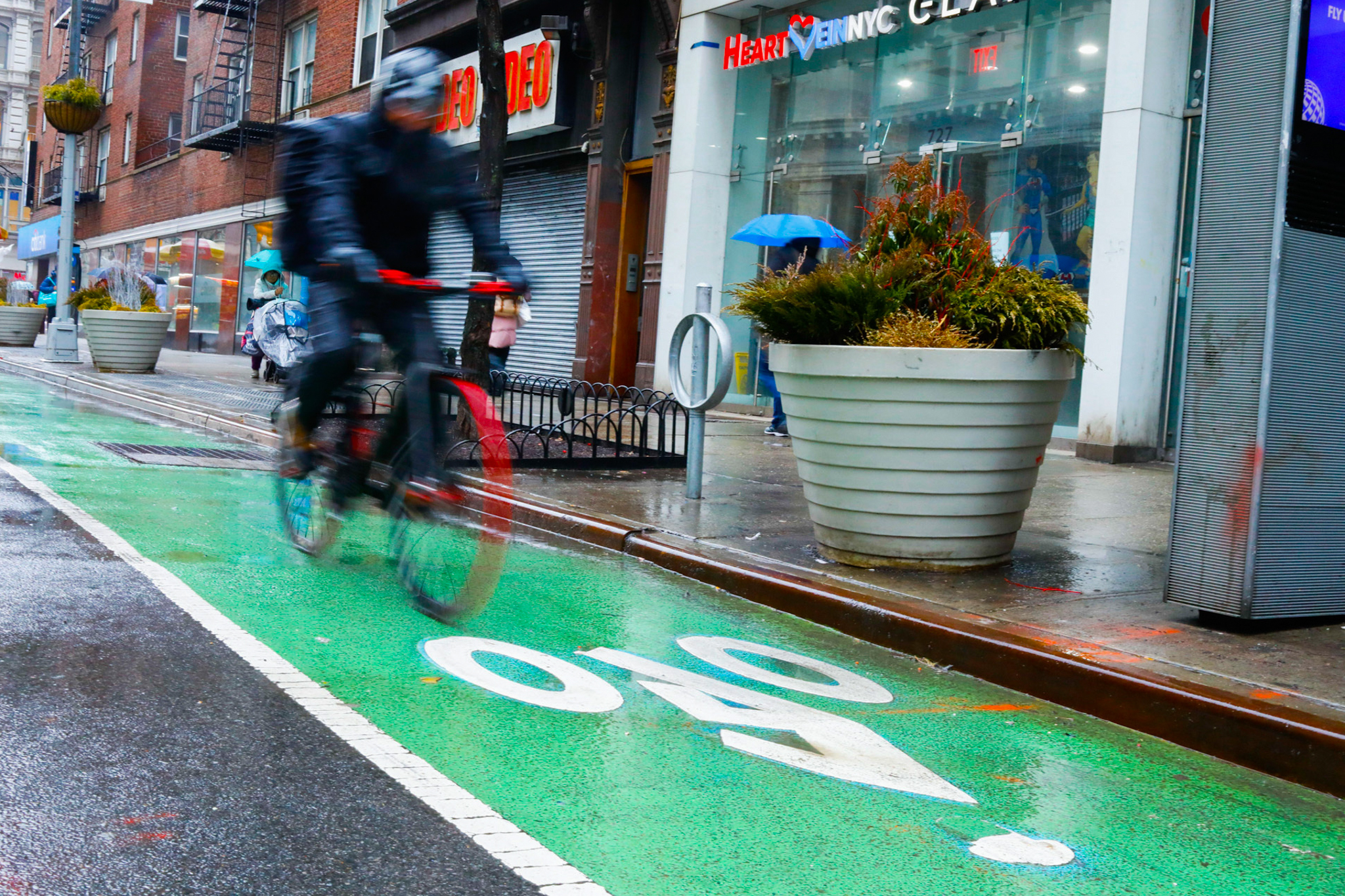
Mayor Zohran Mamdani’s charter revision panel approved five ballot proposals Thursday for the November election, including moves to speed up the creation of bike lanes and outdoor dining setups.
The other measures would accelerate the city contracting process for nonprofits and small businesses, simplify permitting for construction projects and set a target for the city’s financial reserves.
Under the City Charter, a majority of voters would have to vote yes on the ballot questions for the changes to become law.
Mamdani announced the Commission on Government Efficiency — or COGE, a nod to Elon Musk’s federal Department of Government Efficiency — in late May, saying its goal was to identify ways to streamline city operations and put proposals before voters. The announcement came at the same time the mayor dissolved another charter review commission former Mayor Eric Adams had unveiled last year on the final day of his term.
Following several public sessions since last month — and a much shorter timeline than those for previous charter revision commissions — the Mamdani panel released its final report earlier this week. New Yorkers who spoke at hearings across the five boroughs said they wanted the city to use public space better and expedite project reviews, according to the report.
Around 1,200 people attended the meetings and hearings, with 250 people testifying. There were also 625 written submissions with suggestions, the report stated.
The commission’s 16 members include Chair Patrick Gaspard, who advised Mamdani during his mayoral campaign, and other well-known civic figures, such as former Partnership for New York City Chair Kathy Wylde, municipal union DC 37’s executive director Henry Garrido and former City Councilmember Carlina Rivera.
What the Proposals Would Do
The first ballot question simplifies approvals for outdoor dining — cutting the application timeline by an estimated 75% compared to how long it takes now — and those for public space features, such as ramps and planters.
The second question streamlines the procurement process for city contractors, requires regular meetings of the city’s Procurement Policy Board and allows the mayor to delegate certain contract approvals to agencies.
The third question speeds up certain street-safety projects by simplifying the city’s review process. It also expedites leasing of offices by city agencies.
The next question moves waterfront permitting from the Department of Small Business Services, which currently has jurisdiction over waterfront permits, to the Department of Buildings and centralizes a construction permitting hub.
The final question establishes a goal for the amount of money that should be socked away in the city’s rainy day fund, or reserves: 12% of city tax revenue. Today there is no mandated target amount to put aside.
Some budget experts said the measure isn’t enough to safeguard the city’s finances, especially in the event of an economic downturn.
“As written, city policy could allow withdrawals for practically any reason and avoid deposits even when revenues are strong,” Andrew Rein, president of the nonprofit Citizens Budget Commission said in a statement Thursday.
He called it “deeply disappointing” that the commission didn’t go beyond the rainy day fund to prevent cuts to city services and public-sector layoffs.
Meanwhile, former Mayor Adams’ charter revision commission was dealt a major blow Wednesday when a Staten Island judge ruled Mamdani was legally allowed to disband it. It’s not clear if they will appeal the decision.
