
App-based gig work is not the flexible, self-directed job it’s cracked up to be, according to a new report from the Community Service Society. The economic security-focused nonprofit’s annual survey captured a swath of hundreds of gig workers, who described the algorithmic pressure and control they work under – a pressure that intensifies for the 51% of respondents who rely on gig work for their primary income.
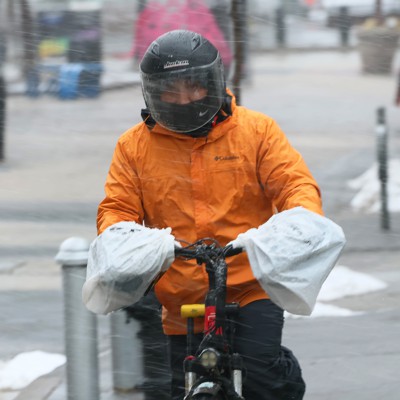
In the nonprofit’s survey of 763 gig workers across the state last fall, nearly 80% said the app encouraged them to work at specific times through alerts or bonuses, and 70% said the app controlled when, where and how much they work. (A little over half of the respondents were based in New York City, while the rest were on Long Island, in Erie County, Westchester, the Capital District or Monroe County.)
“The job, though sold as flexible and you’re in control, is really defined by the app. The app is effectively the boss,” said Rachel Swaner, vice president of policy, research and advocacy at CSS. “It assigns work, it sets pay and it monitors workers.” The report doesn’t single out any particular companies, but looks at gig work as a broad category.
In the last few years, New York City has passed several laws aimed at enshrining protections for gig workers – who have historically lacked labor protections afforded to employees. The laws seek to protect against opaque algorithmic management and set pay rate and transparency rules.
Gig workers for food delivery platforms, for example, must be paid $22.13 per hour working on deliveries, and companies must provide details about how they calculate pay.
The City Council also passed a rule preventing app-based for-hire vehicle drivers from being fired without notice or recourse, except in cases of “egregious misconduct.” The Mamdani administration chalked those deactivation cases up to algorithms.
In their report, the Community Service Society calls for expanding those protections statewide, but also calls for new standards for permissible uses of tracking workers’ locations and transparency in how customer ratings affect working conditions.
The nonprofit may have an ally in that effort in New York City Mayor Zohran Mamdani’s administration. Department of Consumer and Worker Protection Commissioner Sam Levine has been aggressive in enforcing regulations against app-based giants including Uber and DoorDash. A copy of the CSS report was shared with DCWP ahead of publication, as well as with advocacy organizations including the New York Taxi Workers Alliance and Los
Deliveristas Unidos.
“App-based delivery workers deserve fairness and security on the job, period. DCWP is committed to enforcing NYC’s Delivery Worker Laws – among the strongest protections in the country – without fear or favor,” Levine said in statement in a CSS press release about the report. “We applaud CSS for shedding light on these important issues and the barriers hardworking deliveristas face. The platforms profiting from New York labor must provide workers with dignity and pay they deserve.”
