

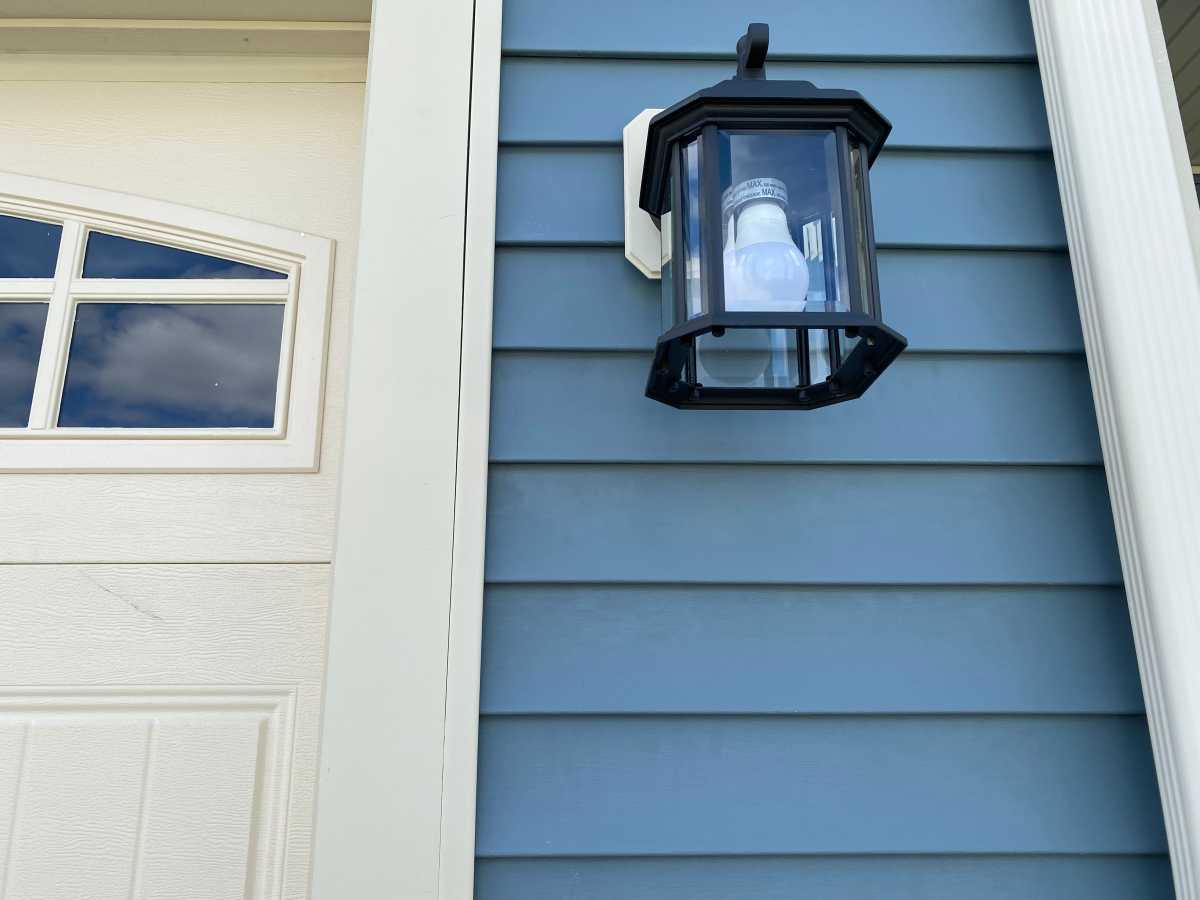
New York State lawmakers proposed a bill that would require home and commercial property owners to shut off their outdoor lights overnight — legislation that has sparked a fierce debate over potential safety concerns.
Dubbed the Dark Skies Protection Act, property owners would have to shut down almost all outdoor lights, including porch lights, between the hours of 11 p.m. and 5 a.m. daily.
NYS Assembly Member Deborah Glick (Manhattan) and former State Sen. Brad Holyman-Sigal, now the Manhattan borough president, had introduced the bill to help preserve the night sky and protect wildlife.
“Light pollution, or the excessive or poor use of artificial light at night, is one of the most pervasive forms of environmental alteration caused by humans,” the bill’s text reads. “Light pollution has many negative impacts, including the disruption of the natural patterns of wildlife, wasted energy and increased output of carbon dioxide and greenhouse gases.”
Residential, commercial, industrial and municipal structures would be impacted.
However, there are exceptions. Advertisements for signs on highways, navigational lighting systems, lighting necessary for worker safety, emergency lighting and lighting for transportation are among the exemptions.
Holiday lights and “incandescent fixtures of 150 watts or less and other sources of less than 70 watts” are also excluded.
Why was the bill introduced?
Lawmakers introduced the Dark Skies Protection Act because they said light pollution has various negative impacts on the environment, including on both people and wildlife.
“Our ancestors were able to experience a night sky full of stars, but now 80% of Americans can no longer see the Milky Way and experience its profound beauty,” according to language in the bill. “Exposure to excess artificial light can disrupt the body’s natural circadian rhythms – causing changes to brain wave patterns, hormone production, cell regulation, and other biologic activities.”
Lawmakers cited a NYC Department of Health and Mental Hygiene study from 2016 that found “almost one in seven New York City residents have their sleep disturbed by light at least three days per week.”
Opposition to the bill: Safety concerns and government overreach
An important concern about the bill is that dimmer outdoor lighting can mean an increased risk of trips, falls and even criminal activity.
A National Institute of Health study on the effects of reduced street lighting on crime and road traffic injuries at night showed that lighting changes affect crime differently depending on location.
“This study used data from a range of settings in the UK, including urban, rural, deprived and affluent areas, and has shown that the effect of changes to street lighting on crime (but not road traffic injuries) appears to vary across contexts,” the study detailed.
Homeowners who spoke to amNewYork said they are concerned about traversing outside in the dark and the potential of increased crime if the bill were to pass. Others said the bill is indicative of government overreach.
“The idea of the front of my house not being lit at night makes me very uncomfortable,” Donna Whalen of Staten Island said. “I find comfort in knowing the front is lit up. I feel like the light deters people from coming to your door and snooping around your yard.”
Rich Candia, also from Staten Island, is very concerned about the potential for an increase in overnight crime.
“It poses a huge safety risk,” he said. “There will be an increase in burglaries and robberies. Also, someone could trip walking into their own house if their walkway is dimly lit.”
One New York senior who uses a walker said she needs lights on to see and navigate where she is going, while another expressed concern to amNewYork about excessive government interference in residents’ daily lives.
The need to protect birds and wildlife
The concerns of New Yorkers are as real as the need to protect wildlife. According to the NYC Bird Alliance, which supports the bill, between 90,000 and 230,000 birds are killed in the city each year in collisions—something researchers said is worsened by lights that confuse migrating birds.
“The Dark Skies Protection Act would protect the millions of birds that migrate at night through New York City each year,” Saman Mahmood, the alliance’s director of advocacy and engagement, told amNewYork. “Our research has shown that artificial light at night disorients night-migrating birds and disrupts their migration across the state. Urban areas like New York City, where light pollution is most intense, offer a great opportunity to make a difference.”

The NYC Bird Alliance has supported the bill since its original form was introduced several years ago.
“NYC Bird Alliance has long supported this legislation alongside Manhattan Borough President Brad Hoylman-Sigal, and we encourage all New Yorkers to back this bill and take our Lights Out pledge at our website at nycbirdalliance.org,” Mamood said. “Along with bird-safe building design, turning off lights is one of the most effective things we can do to make New York safer for birds.”
Maureen Seaberg, a Staten Island-based author, National Geographic contributor and avid birder, zeroed in on the ancient biology and migratory patterns of birds, highlighting their migrations that predate human existence.
“The birds were here first. For millions of years, they have traversed four ‘flyways’ running north to south and back again over our nation — some of them navigating by starlight at night,” she said. “Our beautiful skylines, more recent in time, are deadly to them.”
She discussed the importance of the NYC Bird Alliance’s Project Safe Flight, which includes a team of volunteers who collect dead and injured birds in NYC each morning during migration.
The lights confuse and blind the birds and they collide with buildings, Seaberg explained.
“One only has to see their tiny lifeless bodies on the sidewalks in Manhattan in the morning — hundreds of songbirds who fought for thousands of miles to be here and nest. We cannot be a civilized society and allow this to continue.”
The bill is currently in the State Senate and Assembly committees. Should both houses approve the bill, it would need the governor’s signature to become law.
