

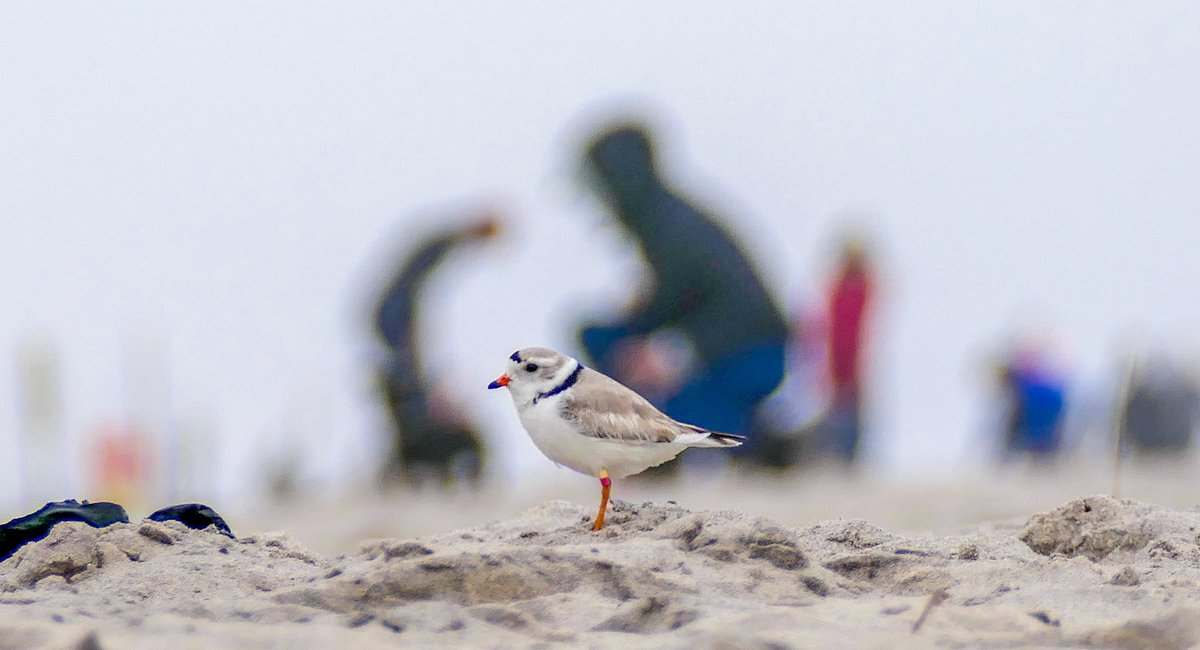
Each spring and summer, a nearly 1-mile stretch of Rockaway Beach is reserved for a special return visitor: the piping plover.
In 1985, the tiny shorebird was listed as threatened under the U.S. Endangered Species Act after shoreline development, recreational beach use and early 20th century hunting severely diminished their population. After the bird was spotted nesting on Rockaway Beach about a decade later, the parks department established the Rockaway Beach Endangered Species Nesting Area between Beach 39th Street and Beach 57th Street.
The stretch is an ideal location to go check out the only endangered species regularly seen within the five boroughs. As a bonus, you’ll likely also see other shorebirds, like American oystercatchers and black skimmers.
Here are a few facts about the rare bird.
Cotton balls with legs
- Starting around April, piping plovers breed on shorelines along North Atlantic coasts like Rockaway, as well as the Great Lakes. They migrate south sometime in August to spend winters along the Gulf of Mexico and the Caribbean.
- An adult piping plover is about 7 inches long with a nearly 15-inch wingspan. The bird’s bill turns from black to orange in the summertime. The chicks are so tiny they resemble cotton balls with legs.
- Piping plovers are considered an endangered species in New York state, and are listed as threatened at the federal level. They’re the only federally listed endangered or threatened shorebird species that breeds on New York City beaches. According to the U.S Fish and Wildlife Service, there’re roughly 8,000 individual piping plovers left in the world. In New York City, just about 100 of the birds (roughly 50 pairs) come each year to nest on the shorelines of Rockaway Beach, Breezy Point and Fort Tilden. But few successfully hatch chicks that survive past 30 days and are able to fly, particularly at the Rockaways, which are among the busiest urban beaches in the country. High tides, flooding, predators and human activity along the shoreline often destroy nests and cut chicks’ lives short.
- The Trump administration’s recent move to open the Gulf of Mexico to more oil drilling could spell trouble for the piping plover, which calls the area home. On Tuesday, the federal Endangered Species Committee voted unanimously to allow oil and gas companies to bypass endangered species protections in the Gulf of Mexico. The committee is colloquially known as the “God Squad” because of its control over the fate of very vulnerable species. Critics of the decision say it will mostly affect the endangered Rice’s whale in the Gulf.
- Piping plovers can’t survive without access to the waterline. They mainly eat worms and other small ocean creatures that are found just below the surface of the sand along the water’s edge.
- Dogs are a threat to piping plovers. According to the NYC Plover Project, the birds and their chicks have been killed by dogs in New York and other places where the birds nest. The volunteer organization says that even the presence of dogs will prevent plovers from incubating their nests out of fear and distract them from looking out for other predators.
