

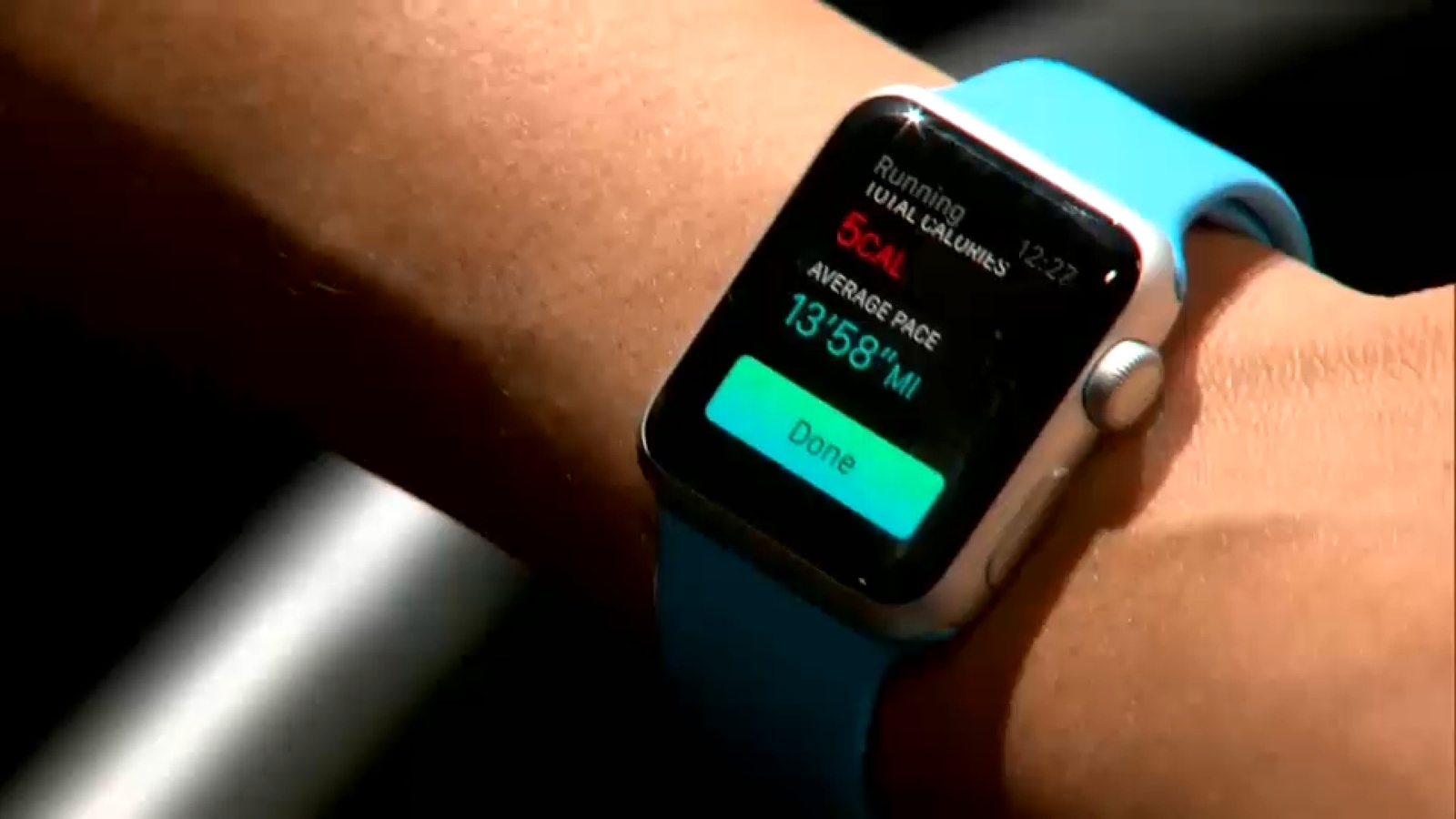
More and more people are turning to smartwatches and fitness trackers to monitor health factors like sleep, activity and even heart rate, but how helpful are they really?
Dr. Sarah Benish, MD, of the University of Minnesota in Minneapolis and fellow of the American Academy of Neurology, is studying the growing wearable tech trend.
She’s the lead author of a new report published in Neurology, the Medical Journal of the American Academy of Neurology, whichstudies the brain.
Dr. Benish says wearable tech should never replace doctors visits or standard medical tests, but can be a useful tool.
“Whatever data you have access to, if you can share that with your clinical team, I think that will be the most helpful,” she said.
The data can also help doctors better understand diseases such as epilepsy, migraines, and sleep disorders.
“There’s so much information out there that we’ve never before been able to process,” Dr. Benish said. “So, my hope is that we’re going to be able to accumulate this data and work together.”
But one downside to increased use of these wearables is anxiety.
Eyewitness News asked Dr. Benish what is a sign that having wearable tech is veering into the negative and stressing you out.
“I think if you’re thinking about it all the time or checking the app or, having to have the same conversation again and again with your physician, that might be a sign,” Dr. Benish said.
Scientists say it’s important to remember, most consumer wearables are not FDA-approved medical devices, and may give you inaccurate information.
So, proceed, but with caution.
———-
* Get Eyewitness News Delivered
* More local news
* Download the abc7NY app for breaking news alerts
Submit a tip or story idea to Eyewitness News
Have a breaking news tip or an idea for a story we should cover? Send it to Eyewitness News using the form below. If attaching a video or photo, terms of use apply.
