

HARLEM, Manhattan (WABC) — In the wake of Rev. Jesse Jackson’s passing, residents and community members in Harlem on Tuesday, reflected on the special bond the civil rights activist had with the neighborhood, calling him one of the giants in the community.
“‘I am somebody,’ you know. And the way he used to say it, you know, I can’t remember how he said, but it’s in the back of my mind,” said Harlem resident Loretta Lucas-Miller. “‘I am somebody.’ And he would say, like he was preaching to all of us.”
There was a special relationship between Harlem and the Rev. Jesse Jackson.
“He marched in Harlem. He came on 45th Street. I mean, the state building. He would gather people, and when people knew he was coming to Harlem, he brought people to come to Harlem to hear what he had to say. It wasn’t just a politician that was just trying to collect votes, but he had something to say, a foundation.”
Eyewitness News spoke to several people on the streets of Harlem, who spoke of Jackson’s impact on the community.
“He was our number one leader. Jesse Jackson was our number one leader of all,” one man said.
“You know, he was a bridge. He you know, he followed suit. He had positive people in front of him, you know, as an icon,” one woman said.
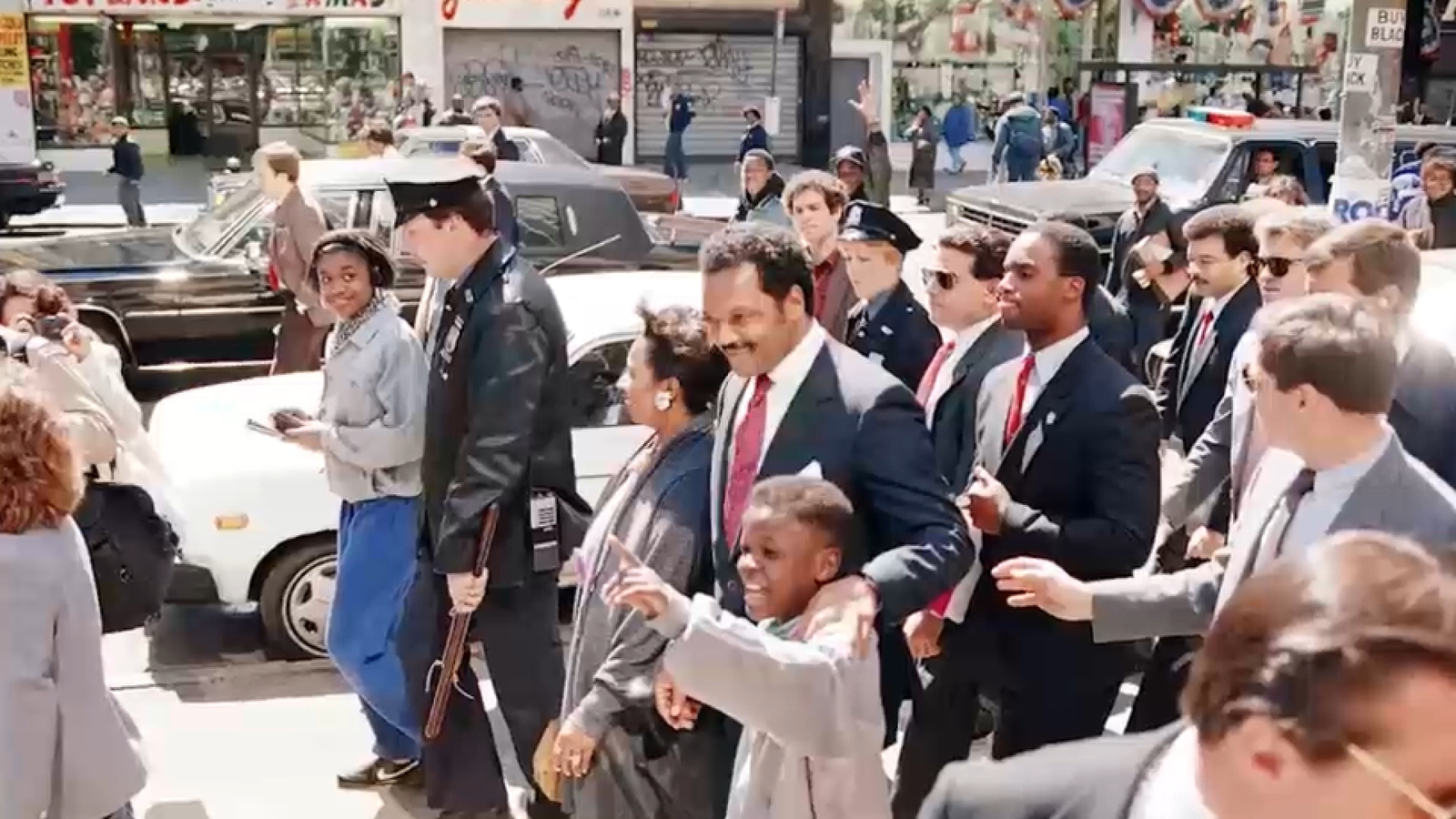
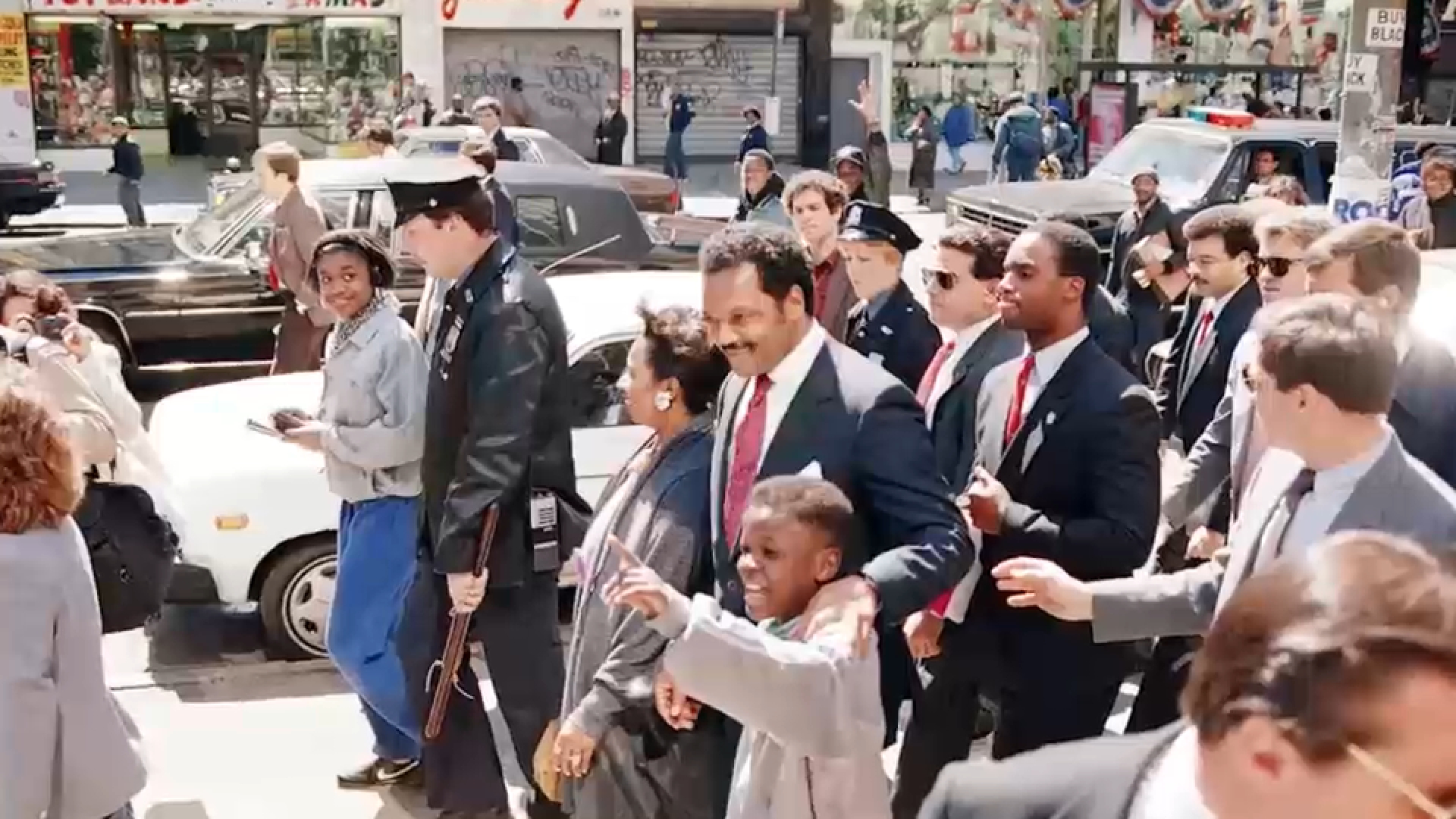
Photos show Jackson in 1984 in East Harlem, and again in 1988 walking to Sylvias after preaching the Abyssinian Baptist Church.
New Yorkers remembered the civil rights pioneer, who was a bridge for them to the civil rights movement of Dr. Martin Luther King, Jr.
“I thought about the march when he was marching with Martin Luther King,” Lucas-Miller said. “All of them are on the same arena. And what he fought for, and Al Sharpton… and what he brought to the male spectrum of African young men.”
Jackson’s legacy also carries on inside of the Schomburg Center for Research in Black Culture in Harlem.
Chantee Lans reports on the Harlem community remembering the late Rev. Jesse Jackson.
“We’ve been doing this work of collecting the history of Black people for a hundred years and he is a part of that history,” said Joy Bivins, Director of Schomburg Center for Research in Black Culture. “He was also very active with young activists across the country.”
Like America’s first Black president Barack Obama, Jackson wept in 2008 on election night.
“Had it not been for him, President Barack Obama would have not been elected president of the United States,” Columbia political science professor Frederick Harris.
Harris credits Jackson’s two failed runs for president for paving the way for other Black politicians.
“Mostly because of his candidacy in 1988 where he assisted upon the change of the way that delegates are allocated to candidates,” Harris said.
Another friend was Columbia University professor, Harlem resident and social activist, Dr. Obery Hendricks.
“He invited me to travel with him to Gambia in Africa,” Hendricks said, a professor of religion and African and African diasporic studies.
He went with Rev. Jackson to rescue 40 prisoners scheduled to be executed. Jackson met with the president.
“He agreed with Reverend Jackson to a moratorium of capitol punishment,” Dr. Hendricks said. “Reverand Jackson actually saved 40 lives on that trip. That was his commitment to serve and to save as many as he could. He’ll go down as one of the greatest fighters for social political justice and racial justice in American history.”
Rev. Al Sharpton will commemorate Jackson’s legacy on Saturday at a rally in a church in Harlem.
———-
* Get Eyewitness News Delivered
* More Manhattan news
* Download the abc7NY app for breaking news alerts
Submit a tip or story idea to Eyewitness News
Have a breaking news tip or an idea for a story we should cover? Send it to Eyewitness News using the form below. If attaching a video or photo, terms of use apply.
Copyright © 2026 WABC-TV. All Rights Reserved.
