

When New Yorkers finally emerge from the freakish cold of recent weeks, they’ll face another outsize side effect of the wild weather: their utility bills.
Residents typically see bills spike in January and February — but this has been no ordinary January or start of February. The record-breaking cold of this past week hasn’t registered on many bills yet.
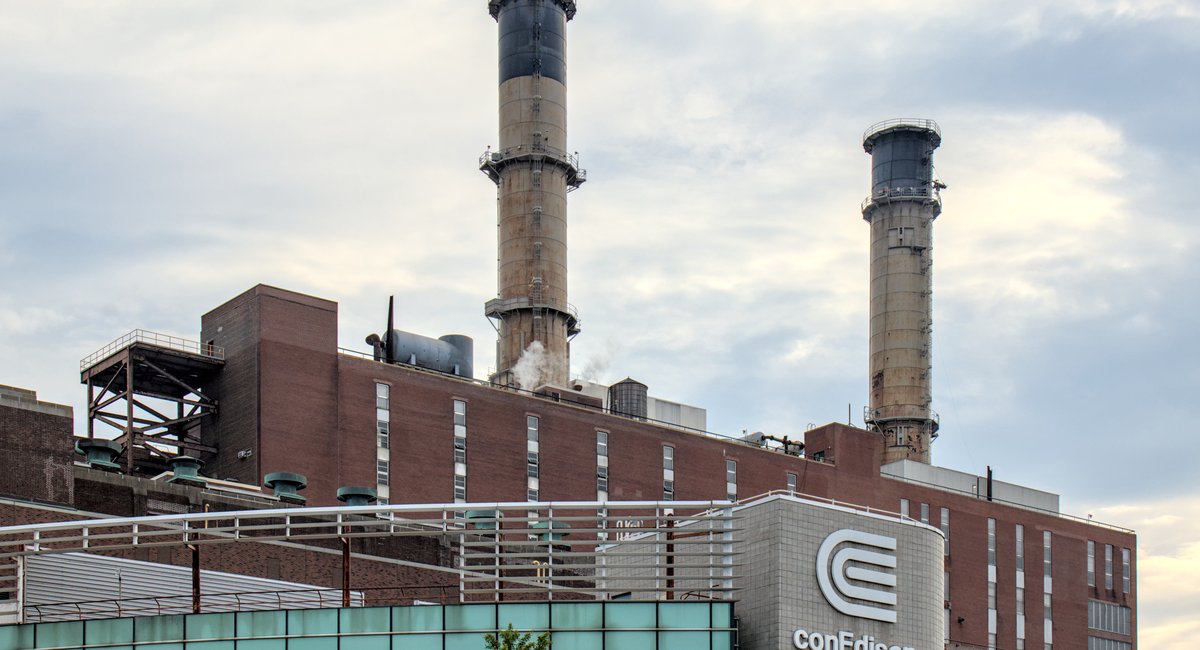
In emails and letters to customers, both ConEdison and National Grid are trying to emotionally prepare customers for a big hit.
“We’ve experienced the coldest start to winter in more than a decade,” an email from ConEdison read. “Your next energy bill may be more than you’re used to seeing.”
“Colder weather plays a large role in raising winter energy bills,” National Grid wrote to customers. “When temperatures drop, homes use more energy to stay warm and that increased usage shows up on your bill.”
National Grid warned customers of a close to a 10% bump in their bills following the storm and arctic temperatures. Con Edison didn’t cite a specific number.
The exact impact per customer will vary — a lot goes into the bill, but several factors are leading utilities to start prepping customers for sticker shock when bills come due next month.
Supply costs are up
Utility bills in New York State have two parts: the “delivery” side, which is regulated by the Department of Public Service and the Public Service Commission, and the supply side, which is based on the fuel market.
Even if a home or building is all electric, the generators that provide that electricity in New York mostly use natural gas for fuel. With heating systems also relying on gas, demand in the metro region goes through the roof when there’s a bitterly cold stretch like the one pervading the East Coast now.
According to ConEd, January 2026 ranked as the company’s fourth-highest record ever for natural gas distribution. National Grid, meanwhile, said gas usage has been near-record high, with the 8th highest date on record for National Grid’s natural gas delivery in NYC on January 20, 2026.
Kevin Lanahan, a spokesperson for the New York Independent System Operator, which is responsible for managing New York’s electric grid, said the state and city’s reliance on old fossil fuel plants is also playing a role: when they can’t keep up with demand, companies have to buy energy at real-time market rates, which are more expensive.
“When we’re procuring that additional energy at an increased cost, that’s gonna show up in consumer supply charges on their bill,” he said.
The region also has fewer energy generators, a result of policy intended to phase out environmentally harmful sources of energy, but which has strained the demand on the remaining supply. Among the biggest of those retirements was the Indian Point nuclear plant, which closed in 2021 and supplied a big chunk of the city’s power.
“ We haven’t added additional generation since those retirements to make up for that loss,” Lanahan said, “So less supply, higher demand, higher production costs and then this really cold weather taken together drove up the cost that will show up in the customer supply bill.
Delivery costs are spiking, too
When customers use more energy, they also pay more for the delivery of it — that’s where utility companies make their profit, along with other taxes and fees. With ConEdison finally getting its rate hike formally approved by state regulators last month, the company is now able to charge more on the “delivery” side of the bill. Bills for ConEdison electricity customers will go up 3.5% this year, and gas bills will go up by 4.4%. ConEdison had said the revised increases are in keeping with the rate of inflation.
And because ConEdison’s increase was approved after it was set to go into effect on Jan. 1, it will be retroactively applied to customers’ bills for last month — though that is only expected to incrementally affect bills since it will be spread out over the remaining bill cycles this year.
The last National Grid rate increase was implemented last April, with the next one set to go into effect this coming April.
Sticker shock
The Public Utility Law Project advocates for ratepayers and helps them understand their bills./ Executive Director Laurie Wheelock said more New Yorkers are tapping the organization this year compared to previous years.
“[The project] is getting a definite increase in the number of calls and emails from customers all over New York State that are really worried,” she said. “They see increased costs, and it’s not just the delivery side of their bill; it’s the supply side of the bill. They’re a lot higher than last year, and so we’ve been doing a lot of one-on-one reviews and discussions with customers about what they’re seeing on their utility bills.”
Some customers, like Williamsburg resident Katerina Jarskaia, have turned to local corners of the internet, like neighborhood groups on sites like Reddit and Facebook, to consult and commiserate with their fellow New Yorkers. Jarskaia recently shared that her January ConEdison bill had come out to $571 bill for her 2-bedroom apartment in Williamsburg.
Her February bill, which covered Jan. 2 to Feb. 3rd, came out to $775.
“ It’s been really cold this winter and I don’t think anyone should have to live in 65 degrees or in really cold temperatures,” she said in an interview. “ I am nervous to see what it’s gonna be like this year.”
How to manage
Wheelock said New Yorkers who are having a hard time affording their bill should first contact the utility itself to discuss their individual situation. ConEdison and National Grid have payment assistance programs for people who need more time to pay their bills.
The New York State Energy Research and Development Authority’s website lists additional programs. And for New Yorkers who want help understanding their bills and resources, the Public Utility Law Project also offers a hotline (800-342-3355) for guidance.
