
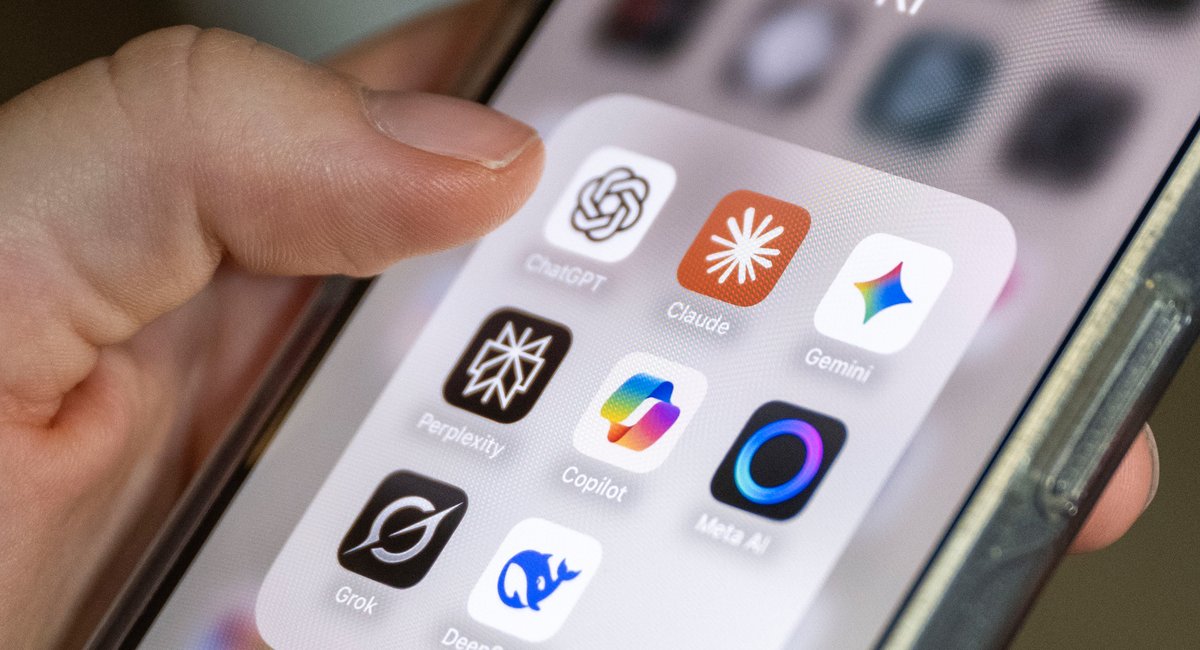
The city’s education department said new guidelines are coming this month on artificial intelligence for New York City’s public schools – and for some parents the rules can’t come soon enough.
The DOE’s Chief Academic Officer Miatheresa Pate said at a meeting of the Panel for Educational Policy last week that the city will release “guardrails for what we do next” with AI. Parents will be able to register their feedback.
Many parents said the city has been slow to come up with clear policies on AI, leading to a spike in plagiarism and privacy risks.
Sarah Gentile, a parent in Brooklyn, said she was alarmed last year to learn that her kindergartner’s class was using voice recording technology as part of the new literacy curriculum.
When she heard about the voice recording, she asked that her daughter not participate, citing concerns about the tech company having access to her daughter’s voice, and the potential for data breaches.
“It’s biometric data,” she said.
Her daughter, now a first grader, and one other child sit in a corner doing a separate activity while their classmates use the voice app, she said.
Gentile said the city should have clear parameters for AI use in schools, inform parents, and offer them the chance to opt out.
“We’re not technophobes,” said Gentile, a digital archivist. “But there seems to be an absence of a tech plan.”
Gentile is among the parents who have signed a petition pushing for a two-year moratorium on all AI in classrooms.
“The largest school system in the country should use its purchasing power and moral authority to protect children, not leave them subject to a surveillance experiment that will undermine learning and leave them a world on fire,” the petition says.
Educators and parents have criticized the department’s approach to AI as slow-footed and inconsistent. The education department banned the use of ChatGPT in schools shortly after it launched two years ago, then lifted the ban. Meanwhile, the teachers union has partnered with big tech companies, promising training in responsible use of the technology.
In recent months the Panel for Education Policy, an oversight body composed of parent representatives and political appointees, has voted down several contracts because of concerns about AI.
Member Naveed Hasan said he opposed greenlighting contracts for AI technology before the city has a policy in place.
“The playbook is late,” he said, adding that tech companies are aggressively marketing their tools to school districts. “There’s so much money pushing products into the DOE.”
Last week, the panel narrowly approved a contract for a company called Kiddom to provide online software and materials that supplement the new literacy and math curricula. The panel initially rejected the contract, and only approved it after the company and Schools Chancellor Kamar Samuels promised the software does not include AI.
“This is critical because we’re trying to get to what you want, which is not to have the AI platform available,” said Samuels.
Abbas Manjee, co-founder of Kiddom and a former city teacher, said the AI component of Kiddom can be useful to teachers, but said this version of the product doesn’t have AI. He cautioned against viewing all AI products as privacy risks, saying his platform had safeguards in place.
While crafting the new playbook on AI, the education department convened two working groups, one on data privacy, and another on AI more broadly.
But Leonie Haimson, executive director of Class Size Matters and a member of the data privacy group, said the department has not been transparent.
“Our Working Group has been stymied, sidelined and stonewalled at every step of the way, and refused the most basic information, including the names of AI products currently used in schools, along with their privacy policies,” she wrote in a letter to the panel in December.
Her group has raised concern about software companies “mining” students’ and teachers’ data and called for a pause on AI in schools “until rigorous guardrails are established.”
Education department officials countered that information about student data and privacy is public, and that the working group has met multiple times.
In an interview with WNYC in January, Schools Chancellor Kamar Samuels sounded a note of cautious optimism regarding AI.
“ I think number one thing we have to do is to really work against some of the fear that’s attached to the conversation around AI,” he said.
He said the department would be announcing safeguards, while looking to harness AI productively.
“ I’m excited about it,” he said. “It has so much potential to reframe and rethink so much of what we do. And if we do it well, it has the potential to accelerate student learning.”
