
This column originally appeared in On The Way, a weekly newsletter covering everything you need to know about NYC-area transportation.
Sign up to get the full version, which includes answers to reader questions, trivia, service changes and more, in your inbox every Thursday.
The Trump administration keeps trying — and failing — to slash transportation funding for New York.
The U.S. Department of Transportation’s threats to withhold federal transportation money from New York are so frequent that state transit officials have begun rolling their eyes whenever a new one is announced.
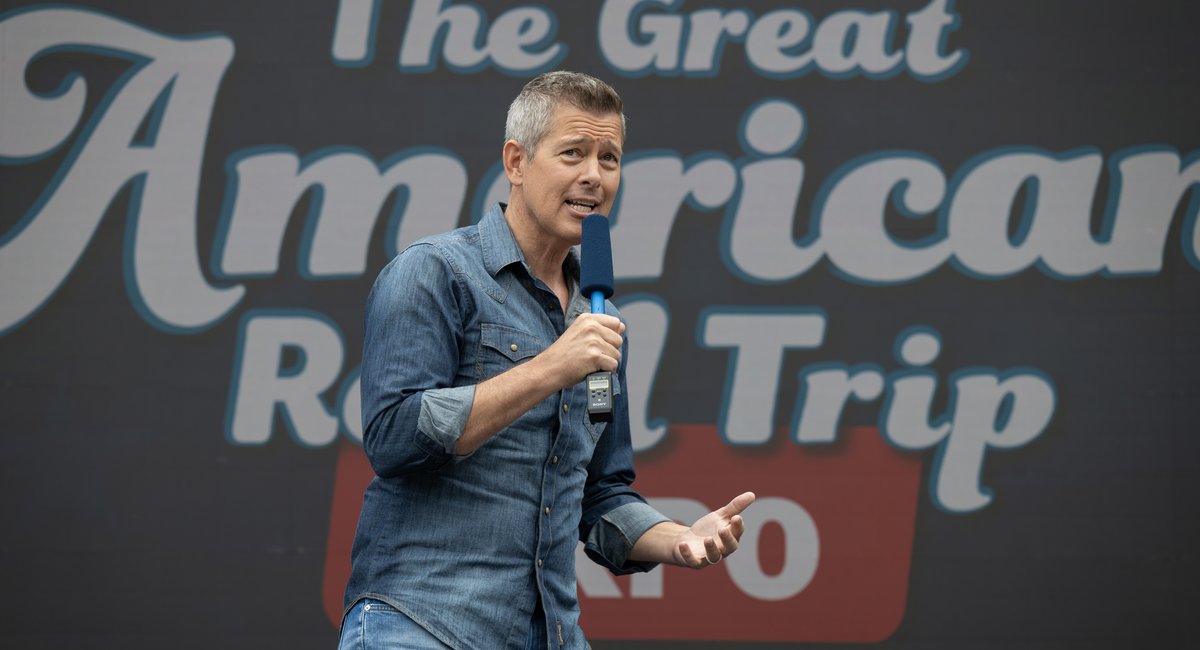
The latest saber-rattling from Washington came last week, when Transportation Secretary Sean Duffy threatened to nix $73 million in highway funding earmarked for New York. He said the state issued commercial driver’s licenses to immigrant truck drivers that expired long after their visas. Duffy demanded the state revoke those licenses or face the funding cut.
New York officials were unmoved. In a statement, state Department of Motor Vehicles spokesperson Walter McClure said Duffy was “lying about New York state once again in a desperate attempt to distract from the failing, chaotic administration he represents.”
“This is just another stunt from Secretary Duffy, and it does nothing to keep our roads safer,” McClure said.
McClure said out loud what people in Gov. Kathy Hochul’s administration have been saying quietly for months: That the regular threats from Duffy are all bark and no bite.
Since President Donald Trump returned to office in January, the feds have also threatened to revoke highway funding if the MTA didn’t end its congestion pricing tolls, which received federal approval under the Biden administration. The feds later announced plans to withhold funding from the MTA unless the agency’s leaders provided plans to improve safety in the subways. They said they would slash $34 million earmarked for the MTA to help prevent terror attacks.
In every one of those cases, the feds either never followed through with their threats, or were told by a judge they had to distribute the money to the state.
Two federal grants for the Second Avenue subway extension and the new Hudson River train tunnels are still in limbo. Days after this fall’s federal government shutdown began, the U.S. Department of Transportation issued a new “interim” rule that declared funding would pause while state agencies review their policies that require some contracts go to minority and women-owned businesses. The feds see that as promoting diversity and equity, which is verboten under Trump.
Like the president, Duffy is a former New Yorker. He worked in the city as a Fox News host before joining the president’s cabinet. U.S. Department of Transportation spokesperson Danna Almeida in a statement said both men “care about the people of New York.”
By Almeida’s telling, the push to revoke federal funding is aimed at liberating New Yorkers from tyrannical city and state governments.
“When New York’s failed leaders have broken the law, ignored federal regulations, or put the public in danger — we’ve taken action,” she said. “We’ll continue to do so.”
Curious Commuter
Have a question for us? Use this form to submit yours and we may answer it in a future newsletter!
Curious Commuter questions are exclusive for On The Way newsletter subscribers. Sign up for free here.
Question from Theo in Brooklyn
What are the rules for express and local trains waiting for each other at stations, and does the policy vary based on day of week?
Answer
Train crews are under strict orders to adhere to tight, fixed schedules as closely as possible. Many of the schedules are designed to allow for timely cross-platform transfers between local and express trains, but when a train is running slightly behind schedule, conductors will often close the doors and move along the line instead of waiting an extra 30 seconds for riders to transfer. When delays build up 30 seconds at a time, they can lead to even more delays throughout the day as trains struggle to stay on schedule when they turn around at the end of the line.
